
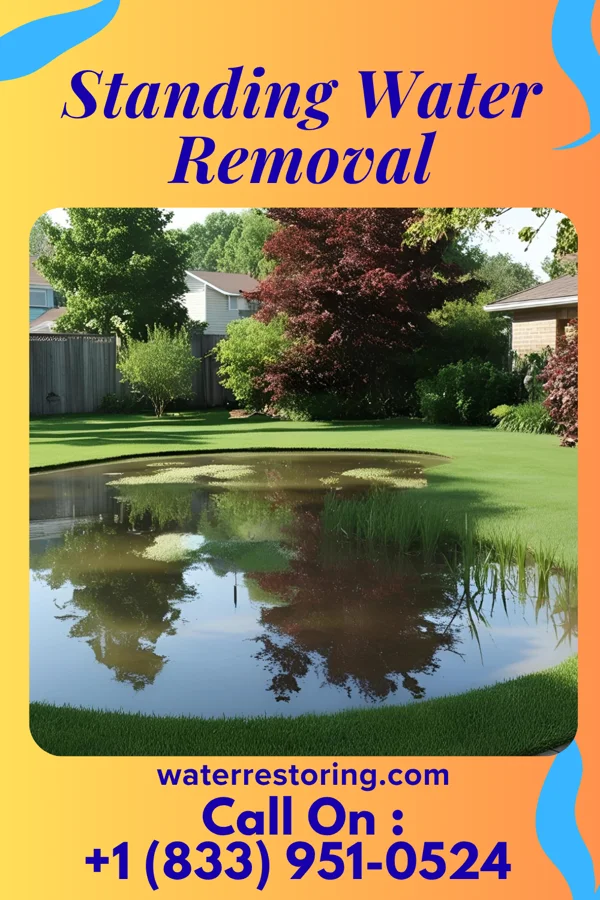
When Dover Beaches North Properties Need Standing Water Removal
Water damage in Dover Beaches North usually starts with In Dover Beaches North, New Jersey, water damage often stems from coastal flooding due to storm surges and high tides, especially during hurricane season. Additionally, heavy rainfall and rising sea levels contribute to frequent standing water in low-lying areas near the shore.. A close second is Secondary causes include plumbing failures in older homes, leaking appliances, and groundwater seepage through cracked foundations. These issues are exacerbated by the area's proximity to the Atlantic Ocean and its vulnerable coastal infrastructure.. Professional restoration follows the IICRC protocol on every job. Assess. Extract. Dry. Sanitize. Document.
Dover Beaches North is at high risk for water damage due to its coastal location, frequent storms, and rising sea levels. The region's climate, characterized by high humidity and heavy precipitation, accelerates moisture retention in buildings and surrounding landscapes.
Water damage in Dover Beaches North follows a few local patterns. In Dover Beaches North, New Jersey, water damage often stems from coastal flooding due to storm surges and high tides, especially during hurricane season. Additionally, heavy rainfall and rising sea levels contribute to frequent standing water in low-lying areas near the shore. accounts for the bulk of our calls. Dover Beaches North is at high risk for water damage due to its coastal location, frequent storms, and rising sea levels. The region's climate, characterized by high humidity and heavy precipitation, accelerates moisture retention in buildings and surrounding landscapes. Mold growth can occur within 48 hours of water exposure in Dover Beaches North, making rapid response critical to prevent health hazards and structural damage. The high humidity and frequent moisture events increase the likelihood of mold proliferation.